







Search Results for: Arabica gene bank
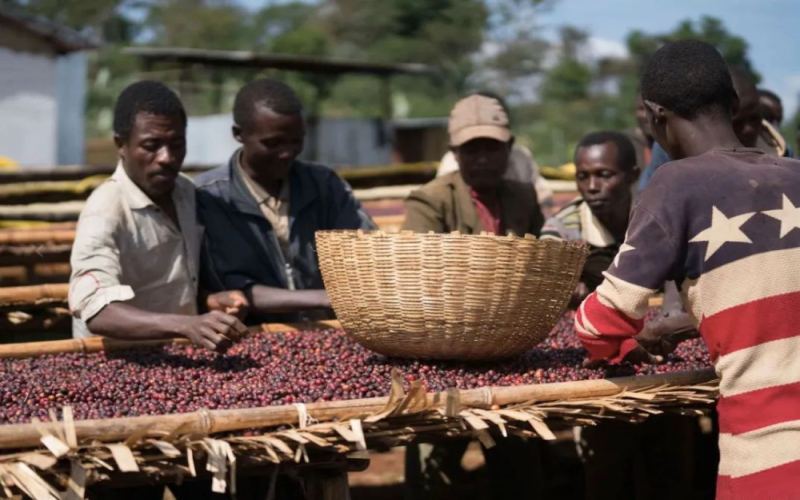
The Original Home of Ethiopian Coffee: Cultivation Patterns in the Kafa Forest and the Coffee Variety Gene Bank
Ethiopia is the birthplace of coffee, and its cultivation models fall into three types: garden, estate, and forest. Among them, the forest cultivation in the Kafa region of the southwest is the most unique. This place is not only the hometown of coffee but also home to about 5,000 coffee tree species, making it a genetic treasure trove of Arabica coffee. The Kafa forest has undergone logging and protection, and today it persists in the form of a biosphere reserve, with about 30 cooperatives in the surrounding area engaged in coffee production. Front Street Coffee has also launched a washed coffee bean from this producing region, presenting floral aromas, citric acidity, and sweet orange and bergamot flavors. This article will guide you through the cultivation traditions, historical changes, and coffee characteristics of the Kafa forest. [more…]

A Single Coffee Cherry Hiding Seven Beans? Exploring the Past and Present of the Multi-Seed Arabica Mutant Variety
The coffee fruit we're familiar with usually contains only two flat beans growing face to face, and the occasional appearance of a single round bean is already considered rare. But nature always breaks the rules—there is a type of coffee fruit that can nurture three, five, or even seven coffee beans, shaped like orange segments or garlic cloves. This multi-seeded coffee, named Café Polysperma, is a mutant variety of Typica, carrying Arabica lineage, with records dating back as early as 1890. Its flavor is not outstanding, but it possesses valuable leaf rust resistance genes and has been introduced into the germplasm bank of Minas Gerais, Brazil, for protection and research. Today, let's take a closer look at this little-known variety, which could be called the "alien" of the coffee world, to see just how special its flowers, fruits, and beans are, and also touch on Front Street Coffee's commitment to specialty beans. [more…]
Fruity Aroma Gene Bank: A Profile of Origins and Processing Methods Behind Floral and Fruity Coffee Beans
The floral and fruity aromas of coffee are not magic conjured by the roaster, but genes written into the terroir of the producing region and the processing method. Flip through the origin records of the mainstream floral and fruity bean varieties on the market, and you will find that behind every fruity note lies a traceable origin story. The opening volume of the records is Ethiopia. As coffee's [more…]
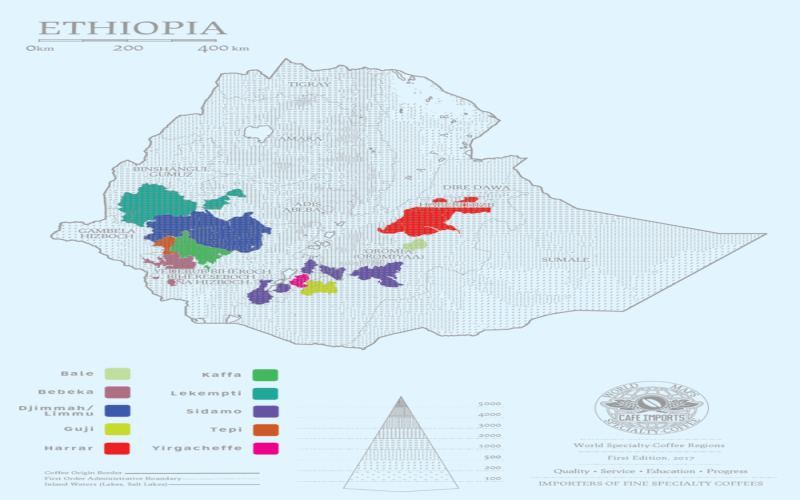
Exploring Ethiopia's Three Major Specialty Coffee Regions: Flavor Profiles and Brewing Highlights of Yirgacheffe, Hambela, and Uraga
As the birthplace of Arabica coffee, Ethiopia possesses an enormous resource of native varieties, earning it the reputation of a natural gene bank, and it has also given rise to many world-renowned specialty coffee regions. This article will review the terroir characteristics and representative bean flavors of three major regions—Yirgacheffe, Sidamo Hambela, and Guji Uraga—and, drawing on Front Street Coffee's brewing experience, provide specific grind sizes, coffee-to-water ratios, water temperatures, and staged pouring plans for Yirgacheffe, Huakui, and the Uraga champion bean, helping coffee enthusiasts more consistently reproduce the signature flavors of floral notes, citrus, and honey pomelo tea in their daily pour-over brewing. [more…]

A Full Comparison of Three Famous Ethiopian Coffees: Gesha, Yirgacheffe, and Huakui—Origins, Varieties, and Flavors
Ethiopia is the birthplace of Arabica coffee and, in the minds of coffee lovers worldwide, a region with an exceptionally high quality-to-price ratio. Within this genetic treasure trove, Geisha, Yirgacheffe, and Huakui are collectively known as the "Three Giants of Ethiopian Coffee" thanks to their fame. Although most coffee enthusiasts have heard of them, not everyone can clearly explain the specific differences among the three in terms of regional attributes, the meaning of their names, and flavor expression. From the perspective of Front Street, this article systematically sorts out the origins and development of these three coffees: Yirgacheffe is actually the name of a region, Geisha is the name of a variety but has two references, and Huakui is a commercial name. Only by understanding their identities and flavors can one truly appreciate the rich charm of Ethiopian coffee. [more…]
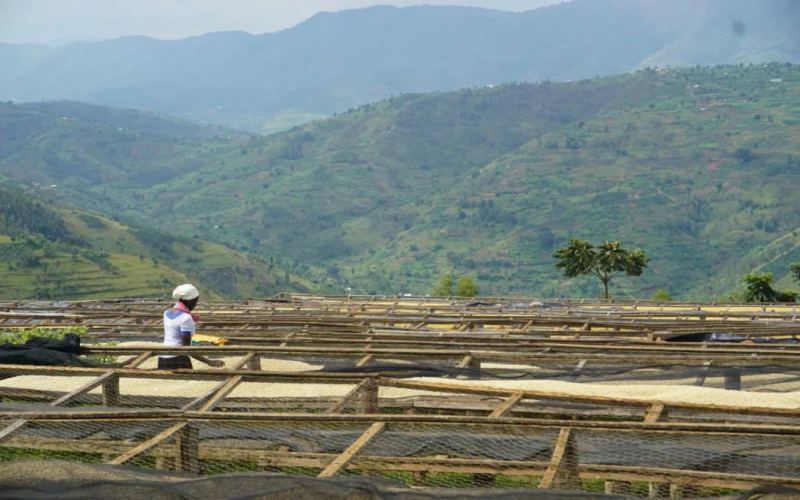
Is Yirgacheffe actually Robusta or Arabica? Front Street Coffee takes you through the varieties and flavors of Ethiopia's classic washed coffee region.
Ethiopia, as the natural gene bank of Arabica, has nurtured ancient heirloom varieties with diverse flavors and complex genetics, and Yirgacheffe is one of the most representative producing regions among them. Many people mistakenly believe that Yirgacheffe is a coffee variety, but in fact it is just a small town located on the eastern edge of the East African Rift Valley. So, does Yirgacheffe actually belong to Robusta or Arabica? And how does its washed processing achieve the signature citrus-lemon acidity and jasmine aroma? Front Street will take you through variety tracing, producing region geography, processing method evolution, and brewing practice to comprehensively explain the ins and outs of this classic washed coffee, and share Front Street's brewing parameters and flavor performance for the Gedingding Cooperative. [more…]
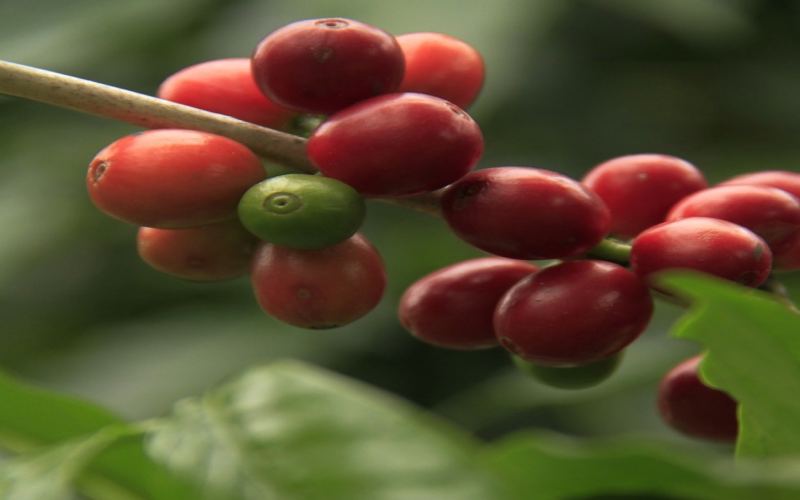
Coffee Leaf Rust: A Disease That Changed the Varietal Landscape
In the history of coffee cultivation, if only one disease were allowed to be recorded, it would have to be leaf rust. This plant plague caused by a fungus once destroyed the entire coffee industry of Ceylon in the nineteenth century, and then over the following hundred-plus years spread to nearly every producing region in the world, profoundly rewriting the varietal landscape and trade patterns of coffee. It [more…]
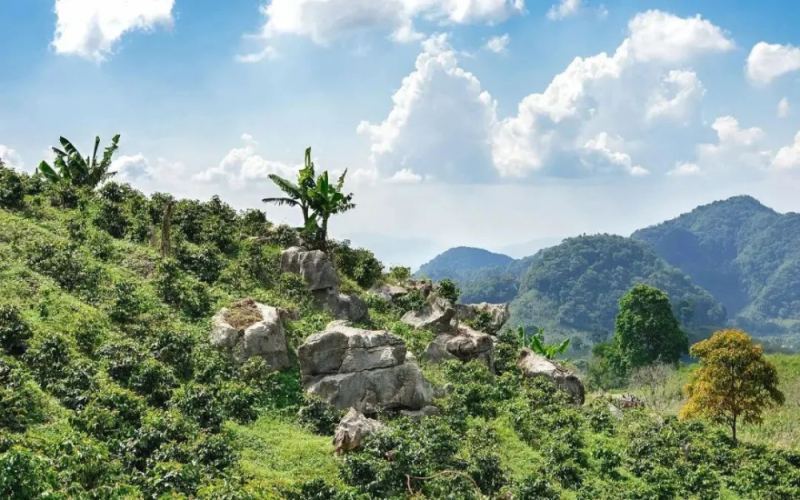
A Complete Analysis of Honduran Coffee Varieties: Characteristics and Origins of Pacas, Lempira, IHCAFE 90, and H3
Honduras, as a major global Arabica coffee-producing country, has a coffee industry strongly driven by the National Coffee Institute (IHCAFE). The varieties cultivated within its borders are rich and diverse, including Bourbon, Caturra, Catuai, Pacas, Lempira, IHCAFE90, H1, and H3, among others. This article will focus on four varieties—Pacas, Lempira, IHCAFE90, and H3—sorting through their origins, genetic backgrounds, cultivation characteristics, and current challenges. At the same time, the article also mentions the Honduras Sherry barrel-processed beans used by Front Street Coffee, and their variety composition and flavor performance are shared as well. [more…]

Yunnan Arabica Coffee Variety Analysis: Flavor Differences Between Typica and Catimor and Current Cultivation Status
Yunnan coffee, also known as Yunnan small-bean coffee, has plump, uniform beans and a mellow, well-balanced taste. On Front Street Coffee's bean list, there are currently two Yunnan small-bean coffees—Catimor and Typica—and their flavors differ significantly. Because Catimor carries Robusta genes, its cup profile falls short of Typica's. Although Yunnan has good growing conditions, Front Street believes the current quality has not yet reached specialty coffee standards: most plantings are Catimor, and the processing tends to favor anaerobic fermentation, which instead masks the coffee's true flavor. Front Street grows coffee in the border region between Yunnan and Myanmar, insisting on expressing regional flavor through the right varieties, appropriate altitude, and suitable processing methods—this is also the core philosophy behind the specialty coffee flavor map established under the leadership of the Yunnan Department of Agriculture. This article will take a deep dive into the varietal characteristics of Typica, Bourbon, and Catimor, and share Front Street's roasting and brewing recommendations for two Yunnan coffees. [more…]
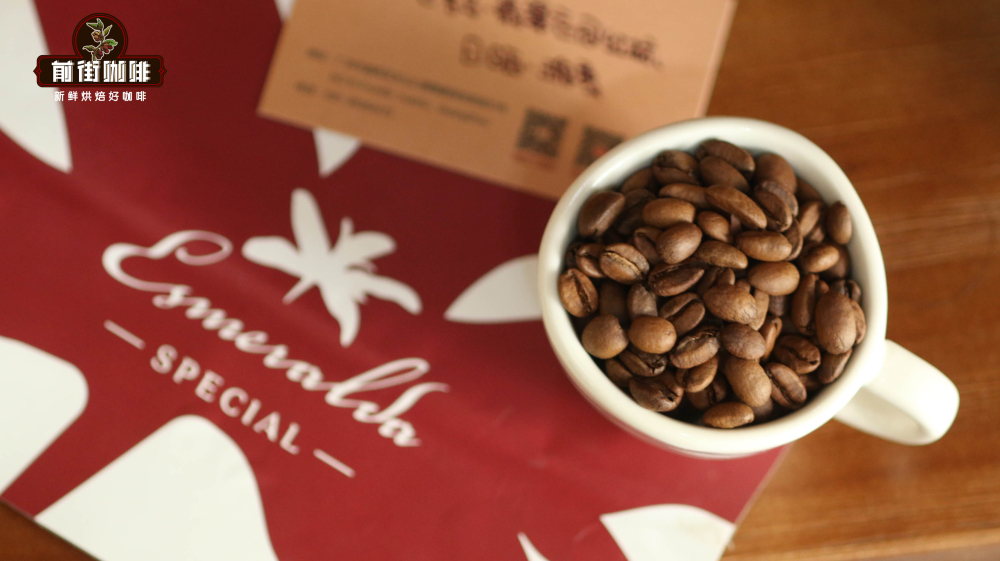
Coffee Varieties Illustrated | What Are the Taste and Shape Differences Between the Three Major Coffee Bean Species? How to Quickly Identify Coffee Bean Varieties? Are Ethiopian Heirloom and Geisha the Same Species of Coffee?
Every variety of coffee beans has different bean appearance (bean外貌) characteristics. In this article, Front Street will guide everyone through coffee bean appearance to identify coffee bean varieties, and what flavor characteristics do different coffee varieties have? ~| Typica (Typica) Typica originated in Ethiopia and southeastern Sudan. [more…]
A Comprehensive Analysis of the Flavor Differences and Identification Methods of the Three Major Coffee Varieties: Arabica, Robusta, and Liberica
There are three main native varieties in the coffee world: Arabica, Robusta, and Liberica. Arabica dominates the specialty coffee mainstream with its elegant flavors, Robusta is known for its high caffeine content and full-bodied taste, while Liberica has scarce production and a unique flavor. Front Street Coffee has been involved in coffee cultivation since entering the industry and owns its own plantations. Currently, its sales are mainly Arabica, with Robusta used only for espresso blends. This article will systematically sort out the characteristics of the three major varieties and provide an in-depth introduction to many sub-varieties such as Typica, Bourbon, Geisha, Caturra, and Catimor, as well as their flavor performance, helping coffee lovers fully understand the mysteries and identification techniques of coffee bean varieties. [more…]
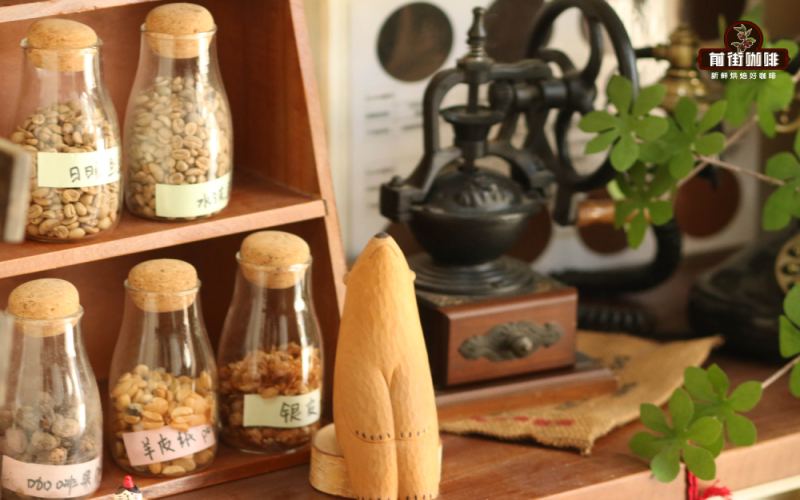
Analysis of Yunnan small-bean coffee varieties and pour-over techniques: Flavor evolution from Typica to Catimor
In recent years, Yunnan arabica coffee has attracted considerable attention in the specialty coffee world, and its variety evolution and flavor performance merit in-depth discussion. Starting from the historical context, this article sorts through the rise and fall of two major varieties, Typica and Catimor, in Yunnan, analyzes the flavor advantages and disadvantages that Catimor brings due to its Robusta genes, and shares Front Street Coffee's experience growing sun-dried Typica at its Lincang estate. At the same time, the article introduces in detail practical parameters for pour-over Yunnan arabica coffee, including grind size, water temperature, coffee-to-water ratio, and a three-stage pouring technique, helping coffee enthusiasts brew a rich, layered, solidly sweet Yunnan flavor at home. [more…]
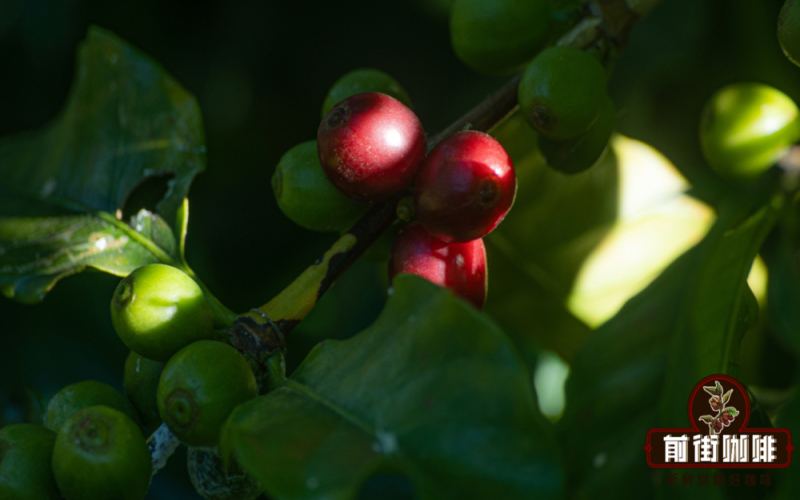
A Complete Guide to Yunnan Coffee Origins: Terroir Characteristics and Brand Recommendations for Baoshan, Pu'er, Lincang, and Dehong
Yunnan is the core coffee-producing region in China, and its cultivation history can be traced back to 1904, when French missionaries planted the first coffee trees in Zhukula Village. Today, international brands such as Nestlé, Starbucks, and COSTA have all established a presence in Yunnan, and the specialty coffee market is also paying increasing attention to this mountainous area in southwest China. This article will take you into the four major producing regions of Lincang, Baoshan, Pu'er, and Dehong to learn about their respective terroirs and variety characteristics, and analyze the variety evolution of Yunnan arabica coffee, the washed processing method, as well as Front Street Coffee's brewing recommendations and flavor performance. Whether you are a coffee beginner or a seasoned enthusiast, you can gain a more comprehensive understanding of Yunnan coffee from this. [more…]
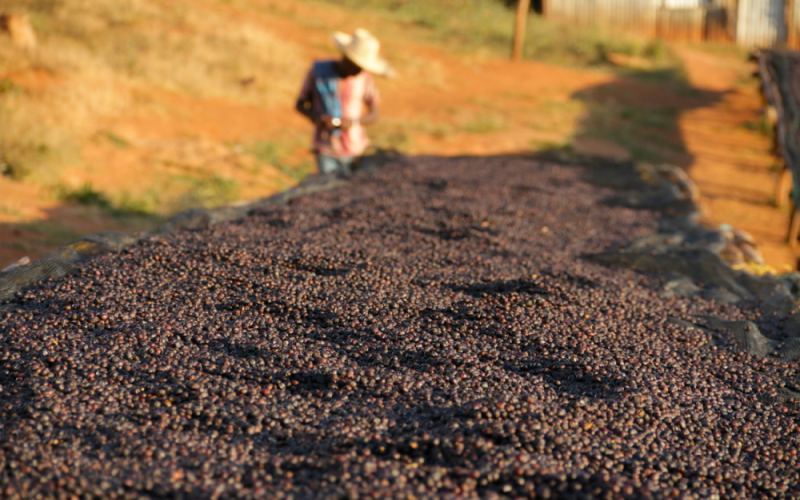
An Analysis of the Regional Characteristics and Flavor Differences of Ethiopia's Three Renowned Coffees: Yirgacheffe, Geisha, and Huakui
Ethiopia, as the birthplace of Arabica coffee, is rich in natural genetic resources, and the coffee it produces is deeply loved for its affordable price and excellent quality. Among the many Ethiopian coffees, Geisha, Yirgacheffe, and Huakui are collectively known as the "Three Giants of Ethiopian Coffee" due to their extremely high popularity. However, many enthusiasts still do not fully understand the specific characteristics and differences of the three. From the perspective of Front Street, this article provides a detailed review of Yirgacheffe's producing region definition and washed flavor, Geisha's variety origins and its differences from Panama Geisha, and the origin of Huakui's commercial naming and its version evolution, helping readers gain a comprehensive understanding of the unique charm of these three major coffees. [more…]
Analysis of the Typica Coffee Variety: Flavor and Characteristics of Typica Beans from the Sumatra Region of Indonesia
Typica, as the most classic high-quality Arabica variety, is the source of many commercial improved varieties. It delivers excellent flavor but has low yield and is susceptible to coffee leaf rust. This article provides an in-depth introduction to the origin, plant characteristics, and flavor profile of Typica coffee, and focuses on the Indonesian Sumatra producing region to analyze Mandheling's producing area distribution, historical origins, and flavor characteristics. At the same time, Front Street Coffee brings a detailed introduction to Sumatra Typica and Mandheling, sharing coffee knowledge, with 3 low-discount events every month, allowing more people to drink the best coffee at the lowest price. [more…]

Ethiopian Sidamo Region Coffee Flavor Characteristics and Variety Analysis: A Complete Guide from Hambela to Huakui
Ethiopia, as the birthplace of coffee, has significant flavor differences among its various regions. Although the bright citric acidity of Yirgacheffe is classic, not everyone can accept it. In contrast, coffee from the Sidamo region presents a fuller juice-like body and richness on the basis of floral and fruity aromas. This article systematically reviews the geographical environment, variety characteristics, and natural processing techniques of the Sidamo region, focuses on analyzing the origins and development of the Hambela Guji coffee, and provides practical brewing parameters from Front Street Coffee. [more…]

Yunnan Small Bean Coffee Roasting and Flavor Analysis: Acidity and Bitterness Differences Between Catimor and Typica and Regional Characteristics
Yunnan small-bean coffee is primarily cultivated with Catimor, and its deep historical ties with Typica have profoundly shaped the flavor trajectory of local coffee. Starting from the characteristics of the varieties, this article sorts through the differences between Typica and Catimor, the essential distinction between Arabica and Robusta, and introduces the terroir of Yunnan's major producing regions. The article also combines Front Street Coffee's practice at its own estate in Lincang to analyze the acidity and bitterness of Yunnan coffee and the appropriate roasting level, helping readers understand the development and potential of Yunnan beans on the path toward specialty coffee. [more…]
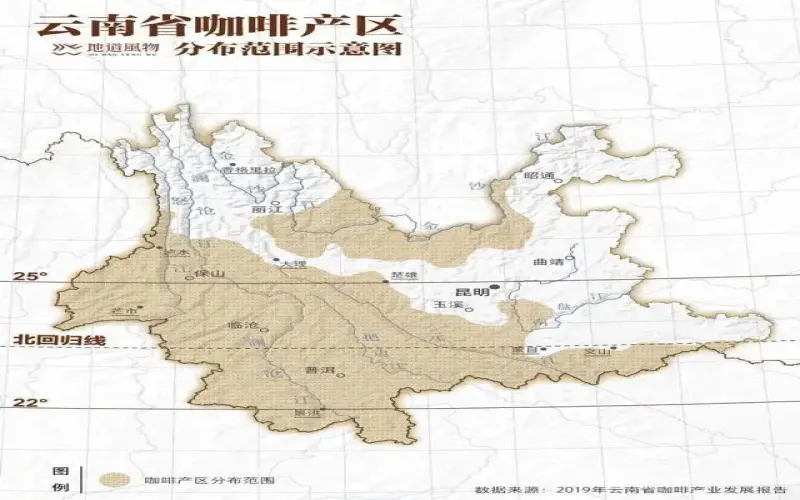
Yunnan Typica Coffee Brand Recommendations | A Full Analysis of the Pour-Over Flavor and Taste Characteristics of Yunnan Small-Bean Coffee
Yunnan is the only province in China capable of growing high-quality Arabica coffee. Although the industry scale is not large, it carries the hopes of countless coffee people. This article focuses on Yunnan Typica, an ancient and premium variety, and reviews the geographical and climatic conditions of the Yunnan production region, the historical background of variety changes, and the practical journey of Front Street Coffee growing Typica from scratch. The article also documents in detail the brewing parameters and flavor performance of Front Street's 2013 sun-dried Typica and Yunnan small-bean coffee, providing coffee enthusiasts with content that combines origin knowledge and practical reference. [more…]
Sidamo Huakui Coffee Beans: A Full Analysis of Sun-Dried Heirloom Flavor, Grinding Parameters, and Cold Brew Method
Huakui coffee from the Sidama region of Ethiopia is a sun-dried Arabica bean that has attracted much attention in recent years, known for its rich floral and fruity aroma and full sweetness. Front Street Coffee uses a medium-light roast, striving to showcase its layers of passion fruit, strawberry, and cream. This article will break down the flavor code and practical extraction plan of this bean one by one, from the concept of native species, the principles of sun-dried processing, the background of the Hambela origin, and the origin of the name Huakui, to the specific cold brew brewing parameters and operating steps. It is suitable for enthusiasts who want to understand Sidama coffee in depth or replicate café-style cold brew at home. [more…]
Tracing the History of Coffee Cultivation in Yunnan and a Full Analysis of the Flavor Characteristics of Arabica Coffee
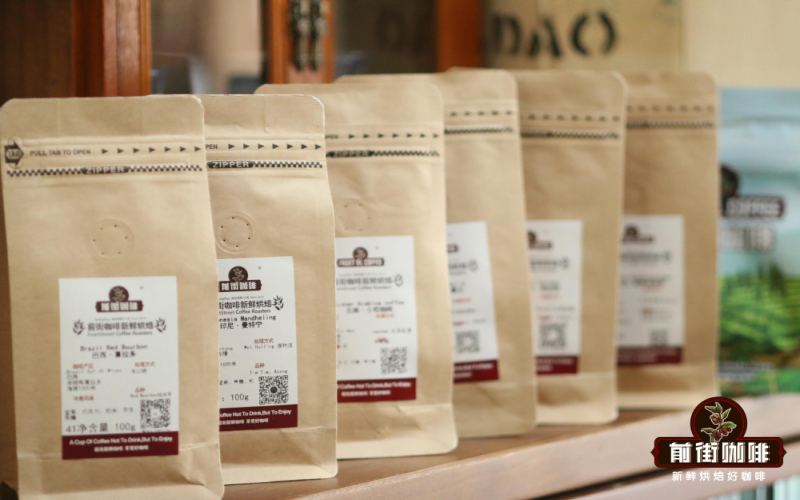
Yunnan, as China's largest coffee-producing region, has a cultivation history spanning over a century, with its output accounting for more than 98% of the national total. From 1902, when a French missionary planted the first coffee tree in Zhukula Village, Binchuan County, to today's thriving development of four major producing regions—Baoshan, Pu'er, Dehong, and Lincang—Yunnan arabica coffee has won recognition both domestically and internationally for its unique flavor profile: rich yet not bitter, aromatic yet not harsh. This article will guide you through the historical development of Yunnan coffee, explore the characteristic differences between the two major varieties Typica and Catimor, and provide an in-depth analysis of the flavor characteristics of Baoshan arabica coffee. Front Street Coffee has selected two everyday beans—Baoshan Catimor and Lincang Typica from Yunnan—allowing entry-level enthusiasts to experience the nutty sweetness and black tea aftertaste of Yunnan coffee at an accessible price, along with practical brewing suggestions to help you easily brew a delicious cup of Yunnan coffee. [more…]